
Calcium Carbonate FCC Grade: Complete Guide to Food Safety, Standards & Industrial Excellence
Calcium carbonate fcc grade is one of the most important mineral ingredients used in the food, pharmaceutical, and nutraceutical industries. When it comes to safety, purity, and regulatory compliance, manufacturers prefer certified calcium carbonate food grade material that meets international standards.
In today’s competitive market, choosing the right supplier is just as important as choosing the right grade. This article explains everything you need to know — from technical specifications to applications and why trusted manufacturers like Vigyan Lime play a crucial role in quality assurance.
What is Calcium Carbonate FCC Grade?
Calcium carbonate fcc grade refers to highly purified calcium carbonate that complies with the standards set by the Food Chemicals Codex (FCC). FCC standards ensure that the product:
-
Meets strict purity levels
-
Contains controlled heavy metal limits
-
Is safe for food consumption
-
Follows regulatory guidelines
In simple terms, FCC grade means “food-safe and quality verified.”
Difference Between Calcium Carbonate FCC Grade and Industrial Grade
Many buyers get confused between food grade and industrial grade materials. Here’s the key difference:
| Parameter | FCC Grade | Industrial Grade |
|---|---|---|
| Purity | Very High | Variable |
| Heavy Metals | Strictly Controlled | May Contain Impurities |
| Food Use | Yes | No |
| Regulatory Approval | Required | Not Mandatory |
Using non-certified material in food applications can lead to serious compliance issues.
Chemical Composition and Properties
Chemical Formula: CaCO₃
Calcium carbonate food grade is:
-
White, odorless powder
-
Insoluble in water
-
Soluble in dilute acids
-
Chemically stable
-
Neutral in taste
Because of these properties, it blends easily in food formulations without altering flavor significantly.
Applications of Calcium Carbonate Food Grade
1. Nutritional Fortification
One of the most common uses of calcium carbonate fcc grade is calcium enrichment.
It is added to:
-
Breakfast cereals
-
Plant-based milk
-
Fruit juices
-
Bakery products
-
Dietary supplements
Calcium is essential for strong bones and teeth. Fortification helps prevent calcium deficiency in growing children and aging adults.
2. pH Regulation
It acts as a buffering agent in:
-
Beverages
-
Processed foods
-
Sauces
This helps maintain product stability and extend shelf life.
3. Anti-Caking Agent
In powdered products, calcium carbonate food grade prevents clumping and improves flowability.
Manufacturing Process of Calcium Carbonate FCC Grade
The quality of the final product depends heavily on manufacturing standards.
Raw Material Selection
High-purity limestone deposits are selected carefully.
Advanced Grinding & Micronization
Material is crushed and micronized to achieve precise particle size distribution.
Strict Testing & Quality Control
Each batch undergoes:
-
Heavy metal testing
-
Purity analysis
-
Moisture testing
-
Microbiological testing
Only compliant batches are approved for food use.
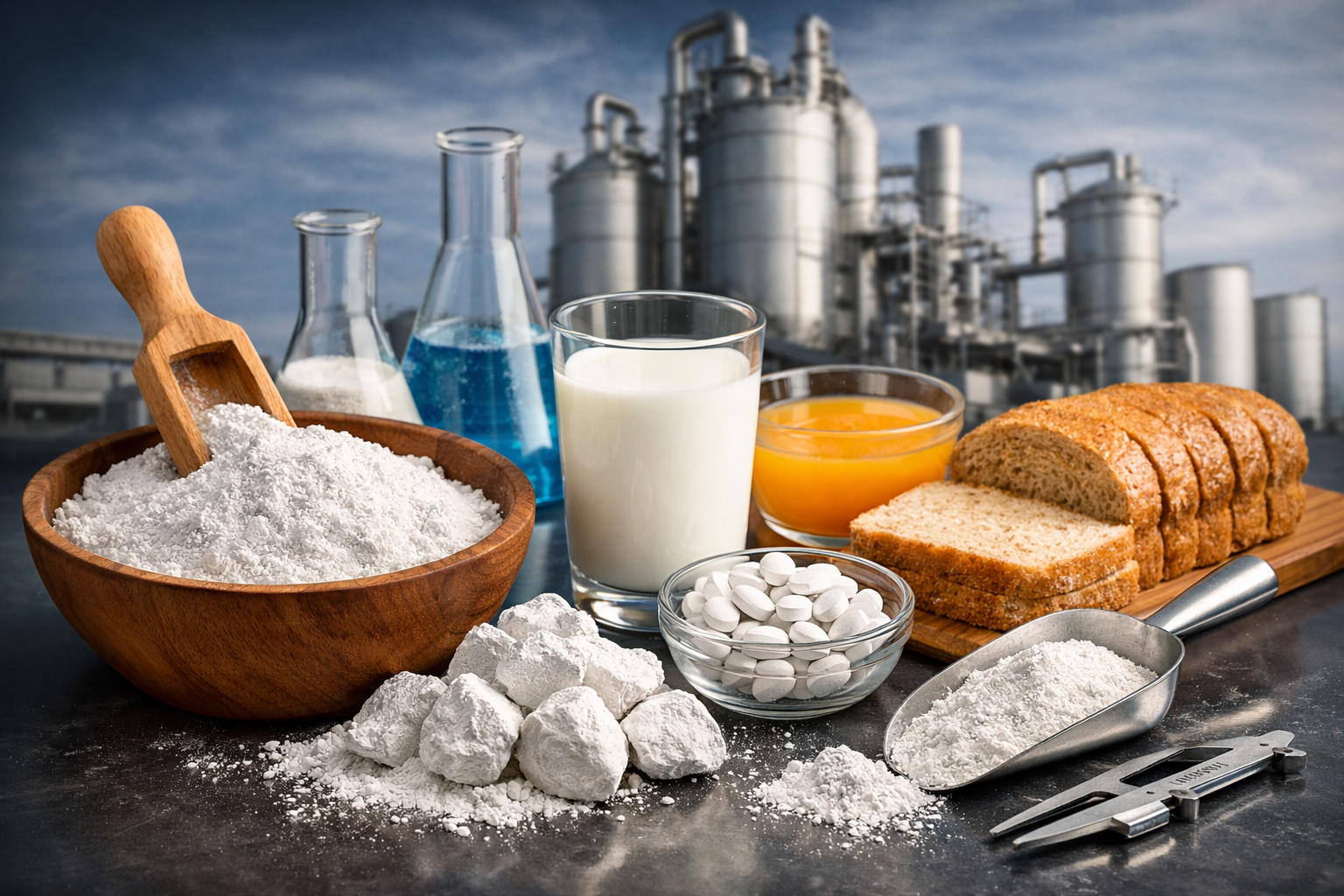
Why Choose Vigyan Lime for Calcium Carbonate FCC Grade?
When sourcing calcium carbonate fcc grade, working with a certified and experienced manufacturer is essential.
Vigyan Lime is a trusted Indian manufacturer with multiple production facilities across:
-
Rajasthan (Jodhpur, Nagaur, Udaipur)
-
Uttarakhand (Haldwani)
-
Himachal Pradesh (Sataun)
The company operates under internationally recognized certifications including:
-
ISO 9001:2015
-
ISO 22000:2018
-
ISO 14001:2015
-
ISO 45001:2018
-
REACH (EU)
-
HALAL
-
KOSHER
Vigyan Lime processes materials compliant with:
-
USP
-
FCC
-
IP
-
BP
-
EN
-
ASTM
-
BIS
This ensures global acceptance and consistent quality.
For detailed product specifications, certifications, and bulk supply inquiries, you can visit the official website:
👉 https://vigyanlime.com/
Quality Parameters to Check Before Buying
Before purchasing calcium carbonate food grade material, verify:
-
Assay (Purity %)
-
Heavy metal limits
-
Particle size
-
Moisture content
-
Certificate of Analysis (COA)
-
Compliance certificates
Reliable suppliers like Vigyan Lime provide full documentation to ensure transparency and regulatory compliance.
Storage and Handling Guidelines
To maintain quality:
-
Store in dry, moisture-free environment
-
Keep packaging sealed
-
Avoid exposure to acids
-
Use food-grade handling procedures
Proper storage ensures longer shelf life and consistent performance.
Global Market Demand
The demand for calcium carbonate fcc grade is increasing due to:
-
Growing health awareness
-
Expansion of fortified food products
-
Rising nutraceutical industry
-
Increasing demand for plant-based beverages
India has emerged as a major exporter of calcium carbonate food grade products, especially to Europe, the Middle East, and Southeast Asia.
Frequently Asked Questions (FAQs)
1. Is calcium carbonate fcc grade safe for daily consumption?
Yes, when used within recommended limits and manufactured under FCC standards.
2. What is the difference between FCC and USP grade?
FCC grade is for food applications, while USP grade is for pharmaceutical use.
3. Can calcium carbonate food grade be used in beverages?
Yes, it is widely used for calcium fortification.
4. Does it affect product taste?
No, it is mostly neutral in flavor.
5. What certifications should suppliers have?
ISO certifications, FCC compliance, REACH, HALAL, and KOSHER approvals.
6. Where can I source certified calcium carbonate fcc grade in India?
You can contact established manufacturers like Vigyan Lime through their official website: https://vigyanlime.com/
Calcium carbonate fcc grade plays a critical role in the food and nutraceutical industries. Its high purity, regulatory compliance, and multifunctional applications make it a preferred choice worldwide.
Choosing certified calcium carbonate food grade material ensures product safety, regulatory approval, and long-term brand trust. Partnering with experienced manufacturers like Vigyan Lime further strengthens quality assurance and global supply reliability.
As the demand for fortified and health-focused products continues to grow, calcium carbonate fcc grade will remain a key ingredient in modern food innovation.