
Calcium Carbonate FCC Grade: 7 Powerful Benefits, Uses & Quality Standards Explained
Calcium carbonate fcc grade is one of the most widely used food-grade mineral compounds in the world. From fortifying cereals to stabilizing beverages, this highly purified ingredient plays a crucial role in the food and beverage industry. But what exactly makes calcium carbonate fcc grade different from other types of calcium carbonate? And why is it so important in food manufacturing?
In this comprehensive guide, we’ll explore its properties, applications, safety standards, manufacturing process, and industry regulations. Whether you’re a food manufacturer, supplier, student, or simply curious, this article will give you a clear and practical understanding.
Introduction to Calcium Carbonate FCC Grade
Calcium carbonate fcc grade is a purified form of calcium carbonate that meets the standards outlined in the Food Chemicals Codex (FCC). The FCC is a globally recognized compendium that sets purity and identity specifications for food ingredients.
This grade is specifically manufactured for food and beverage applications, ensuring safety, consistency, and regulatory compliance. Unlike industrial-grade calcium carbonate used in construction or plastics, calcium carbonate fcc grade undergoes strict testing to eliminate harmful impurities such as heavy metals.
What Does FCC Mean in Food Ingredients?
FCC stands for Food Chemicals Codex. It is a set of internationally recognized standards for food ingredients published by the United States Pharmacopeia (USP). Ingredients labeled “FCC grade” must comply with strict purity and safety requirements.
When a product is labeled calcium carbonate fcc grade, it means it meets these food-grade specifications.
Chemical Composition and Formula
The chemical formula of calcium carbonate is:
CaCO₃
It consists of:
-
Calcium (Ca)
-
Carbon (C)
-
Oxygen (O₃)
It occurs naturally in minerals such as:
-
Limestone
-
Marble
-
Chalk
The FCC version ensures these natural materials are refined to meet food-quality standards.
Physical and Chemical Properties
Understanding the physical and chemical characteristics helps manufacturers choose the right ingredient for specific applications.
Appearance and Solubility
Calcium carbonate fcc grade is:
-
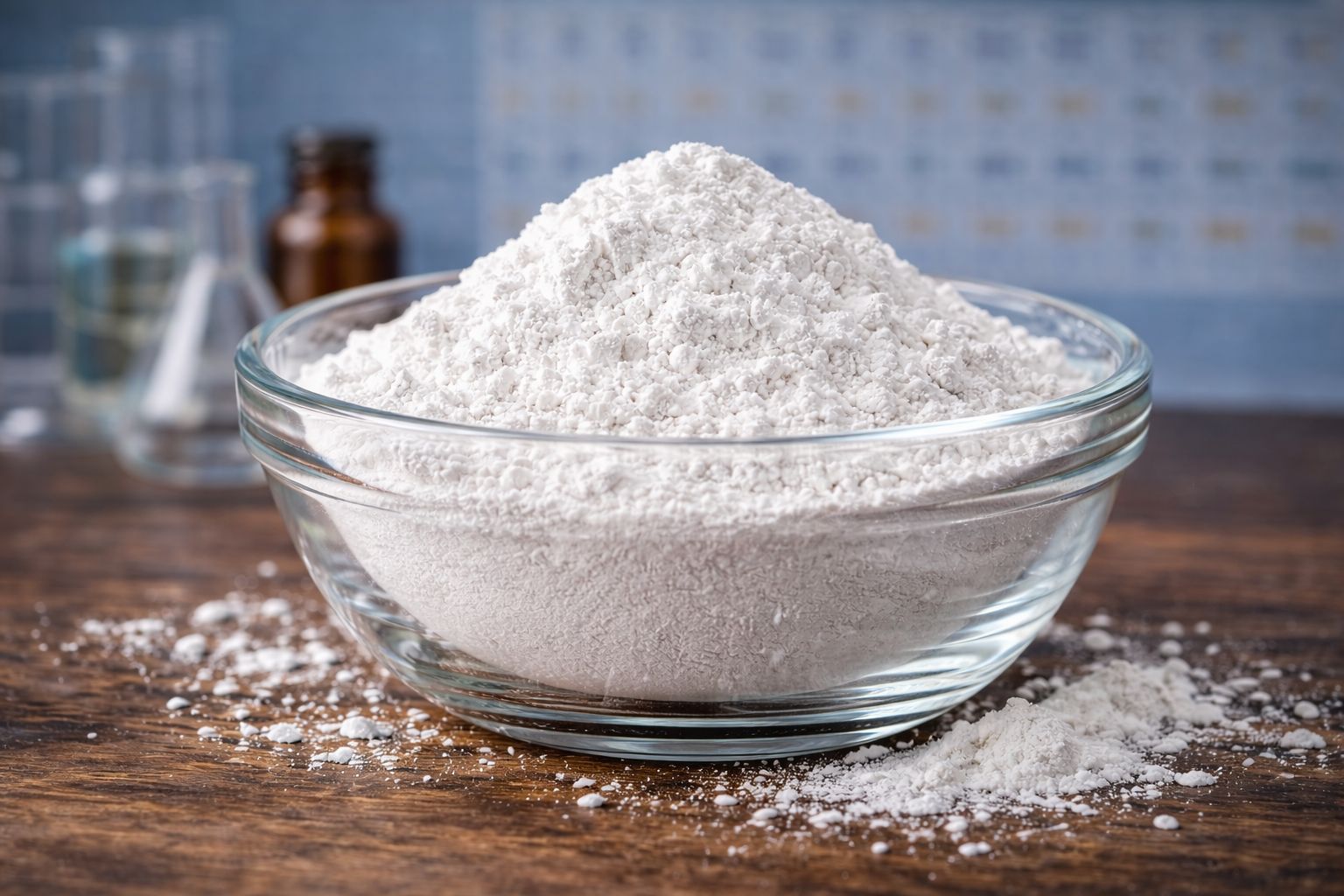
White, odorless powder
-
Tasteless or slightly chalky
-
Insoluble in water
-
Soluble in dilute acids
Because it is odorless and neutral in flavor, it integrates well into food formulations without altering taste significantly.
Stability and Reactivity
This compound is chemically stable under normal storage conditions. However:
-
It reacts with acids to release carbon dioxide (CO₂)
-
It decomposes at high temperatures (above 840°C)
Its stability makes it ideal for dry mixes and long shelf-life products.
Manufacturing Process of Calcium Carbonate FCC Grade
The production process determines the purity and functionality of the final product.
Natural Source Extraction
Most calcium carbonate fcc grade originates from high-purity limestone deposits. The process includes:
-
Mining high-quality limestone
-
Crushing and grinding
-
Screening for particle size control
Purification and Quality Testing
After extraction, the material undergoes:
-
Chemical purification
-
Removal of heavy metals
-
Microbiological testing
-
Particle size analysis
-
Moisture testing
Each batch must meet FCC purity standards before distribution.
Regulatory Standards and Compliance
Compliance is not optional—it’s mandatory.
Food Chemicals Codex (FCC) Standards
The FCC defines:
-
Minimum calcium carbonate content
-
Maximum heavy metal limits
-
Acceptable pH range
-
Loss on drying limits
Meeting these ensures product safety and global trade acceptance.
FDA and Global Regulatory Approvals
In the United States, calcium carbonate is classified as Generally Recognized As Safe (GRAS) by the FDA when used according to good manufacturing practices.
It is also approved in:
-
European Union
-
Canada
-
Asia-Pacific regions
Major Applications in the Food Industry
This is where calcium carbonate fcc grade truly shines.
Nutritional Fortification
One of the most important uses is calcium enrichment.
It is commonly added to:
-
Breakfast cereals
-
Plant-based milk alternatives
-
Orange juice
-
Bakery products
-
Dietary supplements
Calcium fortification helps prevent calcium deficiency and supports bone health.
pH Control and Stabilization
Calcium carbonate fcc grade acts as:
-
Acidity regulator
-
Buffering agent
-
Neutralizer in acidic formulations
It stabilizes beverages and prevents flavor changes.
Anti-Caking Agent
In powdered foods like:
-
Spices
-
Baking mixes
-
Sugar blends
It prevents clumping and improves flowability.
Comparison: FCC Grade vs Industrial Grade
| Feature | FCC Grade | Industrial Grade |
|---|---|---|
| Purity | High (Food Standard) | Variable |
| Heavy Metals | Strictly Limited | Not Controlled for Food |
| Application | Food & Beverage | Construction, Plastics |
| Testing | Mandatory | Minimal |
Using non-FCC grade in food applications is unsafe and illegal.
Benefits of Using Calcium Carbonate FCC Grade
-
Safe for food consumption
-
Cost-effective calcium source
-
Long shelf life
-
Chemically stable
-
Neutral taste
-
Widely approved globally
-
Enhances product nutritional value
Safety Profile and Toxicology
Calcium carbonate fcc grade is considered safe when consumed within recommended limits. Excessive intake may cause mild digestive discomfort, but it is generally non-toxic.
It has low bioavailability compared to some other calcium salts but remains one of the most economical options.
Storage and Handling Guidelines
To maintain quality:
-
Store in a cool, dry place
-
Avoid moisture exposure
-
Keep sealed in food-grade packaging
-
Prevent contamination
Proper storage ensures stability and prevents clumping.
Market Demand and Industry Trends
Global demand for calcium carbonate fcc grade continues to rise due to:
-
Growing fortified food market
-
Increasing health awareness
-
Expansion of plant-based beverages
-
Aging populations requiring calcium supplementation
The ingredient remains a backbone of food fortification strategies worldwide.
Frequently Asked Questions (FAQs)
1. Is calcium carbonate fcc grade safe for daily consumption?
Yes, when used within regulated limits, it is considered safe and approved by global food authorities.
2. What is the difference between FCC grade and pharmaceutical grade?
FCC grade is intended for food use, while pharmaceutical grade meets stricter medicinal standards.
3. Can calcium carbonate fcc grade be used in beverages?
Yes, it is commonly used in fortified juices and plant-based milk.
4. Does it affect taste?
It is mostly neutral in taste when used properly.
5. How should it be stored?
Store in airtight containers away from moisture.
6. Is it vegan-friendly?
Yes, when sourced from mineral limestone, it is vegan-compatible.
Calcium carbonate fcc grade is an essential food-grade mineral ingredient that delivers safety, affordability, and nutritional value. From fortifying cereals to stabilizing beverages, its versatility makes it indispensable in modern food manufacturing.
By meeting strict FCC standards and global regulatory approvals, it ensures both consumer safety and product consistency. As the demand for fortified and health-focused foods continues to grow, calcium carbonate fcc grade will remain a cornerstone of food innovation.
Why Choose Vigyan Lime for Calcium Carbonate FCC Grade?
When sourcing calcium carbonate fcc grade, choosing a trusted and certified manufacturer is critical. Vigyan Lime Company stands among India’s leading producers of high-quality mineral products, delivering purity, compliance, and global standards.
With advanced manufacturing infrastructure and strict quality control systems, Vigyan Lime ensures that every batch meets international specifications and regulatory requirements.
Manufacturing Units
Vigyan Lime operates strategically located manufacturing facilities across India:
-
Jodhpur & Nagaur (Rajasthan)
-
Udaipur (Rajasthan)
-
Haldwani (Uttarakhand)
-
Sataun (Himachal Pradesh)
These units are equipped with modern processing technologies, precision grinding systems, and strict laboratory testing protocols to maintain FCC-grade purity standards.
Global Certifications & Quality Assurance
Quality is not just a claim—it is certified.
Vigyan Lime is accredited with internationally recognized certifications, ensuring product safety, environmental responsibility, and operational excellence:
ISO Certifications
-
ISO 9001:2015 (Quality Management System)
-
ISO 14001:2015 (Environmental Management System)
-
ISO 15378:2017 (Primary Packaging Materials for Medicinal Products)
-
ISO 22716:2007 (Cosmetic GMP)
-
ISO 22000:2018 (Food Safety Management System)
-
ISO 45001:2018 (Occupational Health & Safety)
International Compliance Certifications
-
REACH (EU Compliance)
-
RoHS
-
HALAL
-
KOSHER
These certifications reflect Vigyan Lime’s commitment to supplying safe and globally accepted calcium carbonate fcc grade.
Processing Standards & Regulatory Compliance
Vigyan Lime processes products compliant with major international pharmacopeia and quality standards:
-
USP (United States Pharmacopeia)
-
FCC (Food Chemicals Codex)
-
IP (Indian Pharmacopeia)
-
BP (British Pharmacopeia)
-
EN Standards
-
ACS
-
ASTM
-
BIS
This makes the company a reliable supplier for food, pharmaceutical, cosmetic, and industrial applications.
Corporate Office & Contact Information
Head Office (H.O):
G-37, Race Course, Dehradun, Uttarakhand – 248001, India
📧 Email: info@vigyanlime.com
📞 +91-95685-01110
📞 +91-95688-01110
📞 +91-98370-55678
For bulk inquiries, export orders, or technical specifications of calcium carbonate fcc grade, customers can directly connect with the sales and technical team.